The floor is the most heavily used surface in a home: it gets walked on, things get dropped on it, water gets spilled on it. Microcement flooring is popular today not just for its look, but for its practicality: a single, continuous surface wall-to-wall with no seams for dirt to collect in.
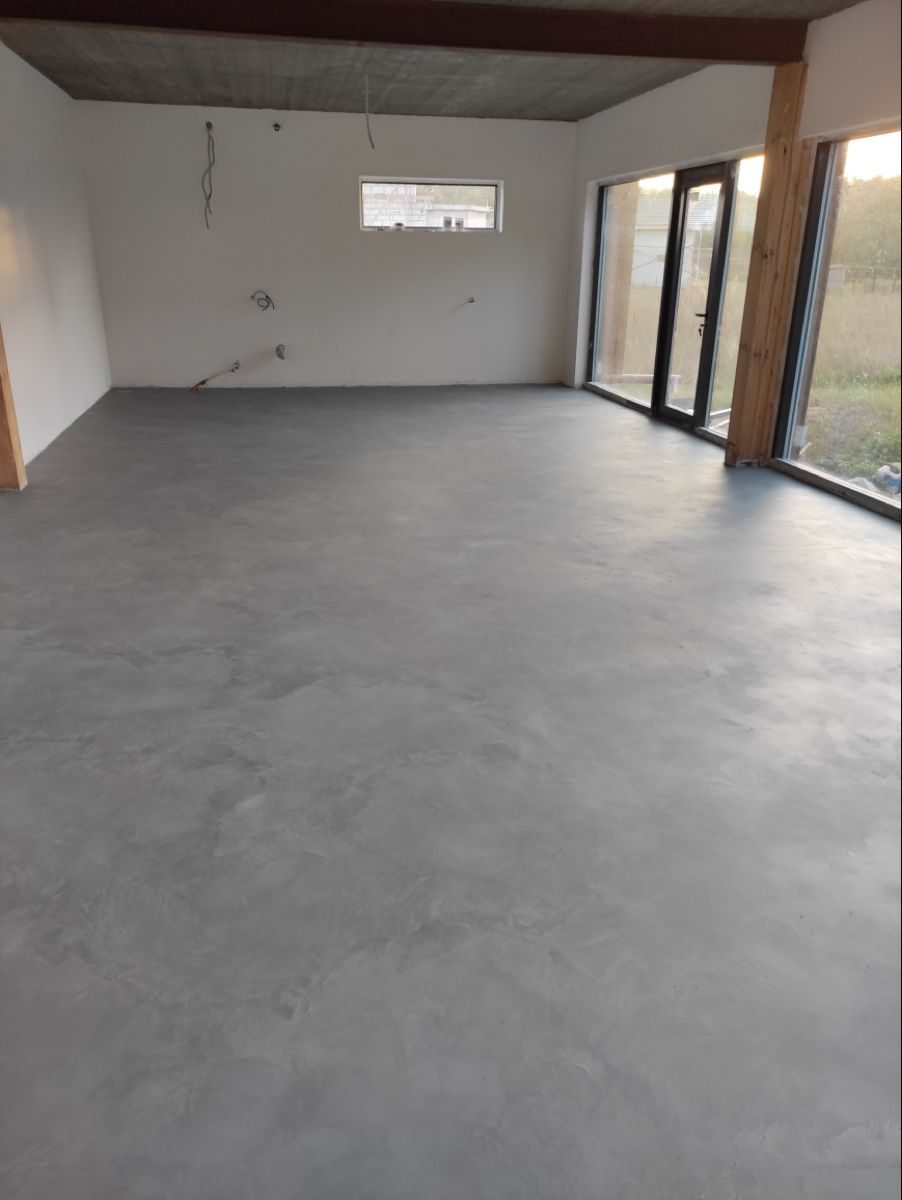
Why choose microcement for a floor
Unlike tile, where the grout between tiles darkens and crumbles over time, microcement has no grout lines at all. The surface comes out seamless — the room looks visually larger, and cleaning the floor is much simpler: a quick mop and it's done.
Can microcement be applied over existing tile
Yes — and this is one of its biggest advantages. In most cases, microcement can be applied directly over existing tile, as long as it's stable and level. This saves weeks of demolition, debris removal, and the dust and noise that come with it — especially valuable if you're renovating without moving out.
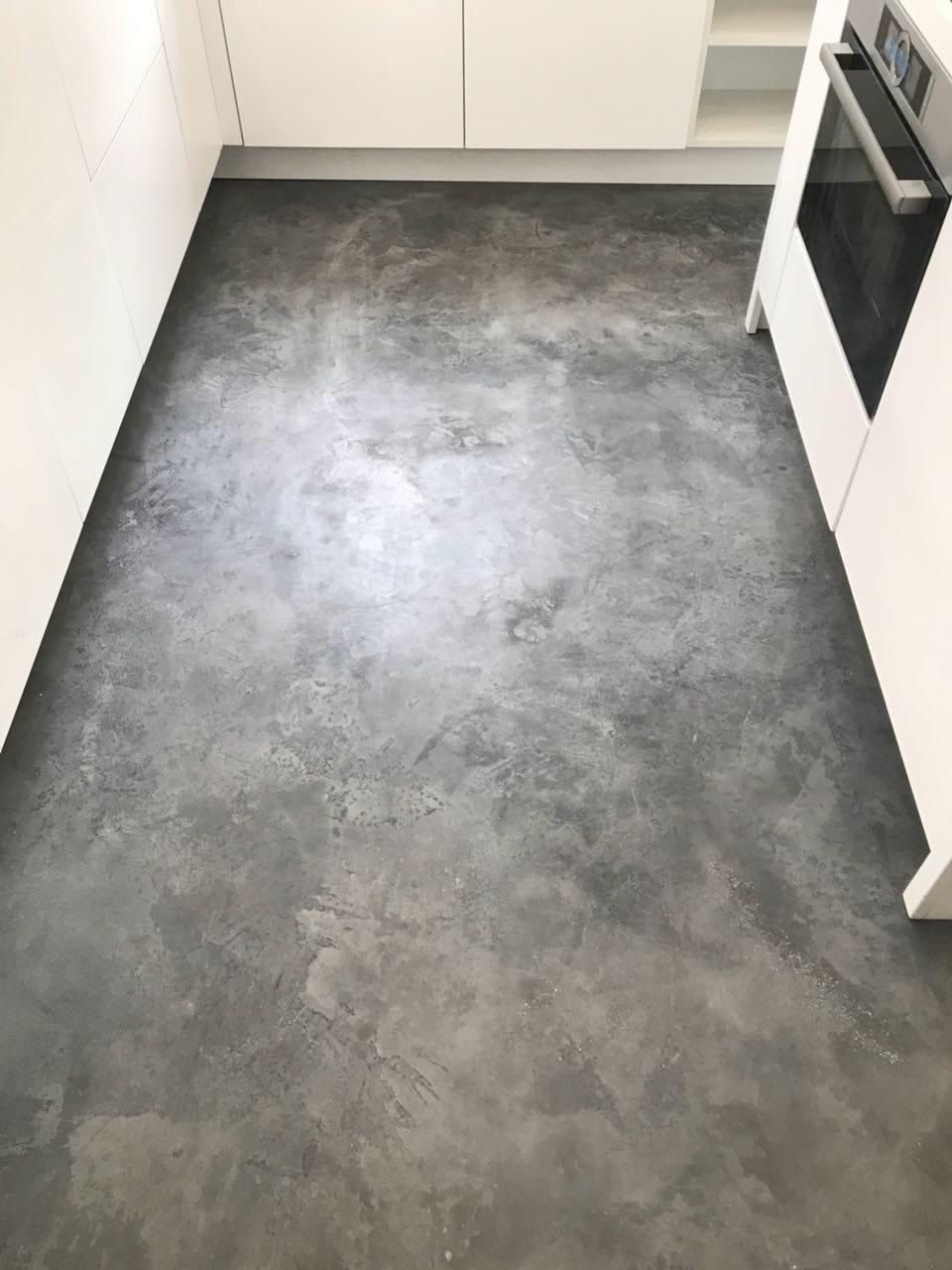
Where it works especially well
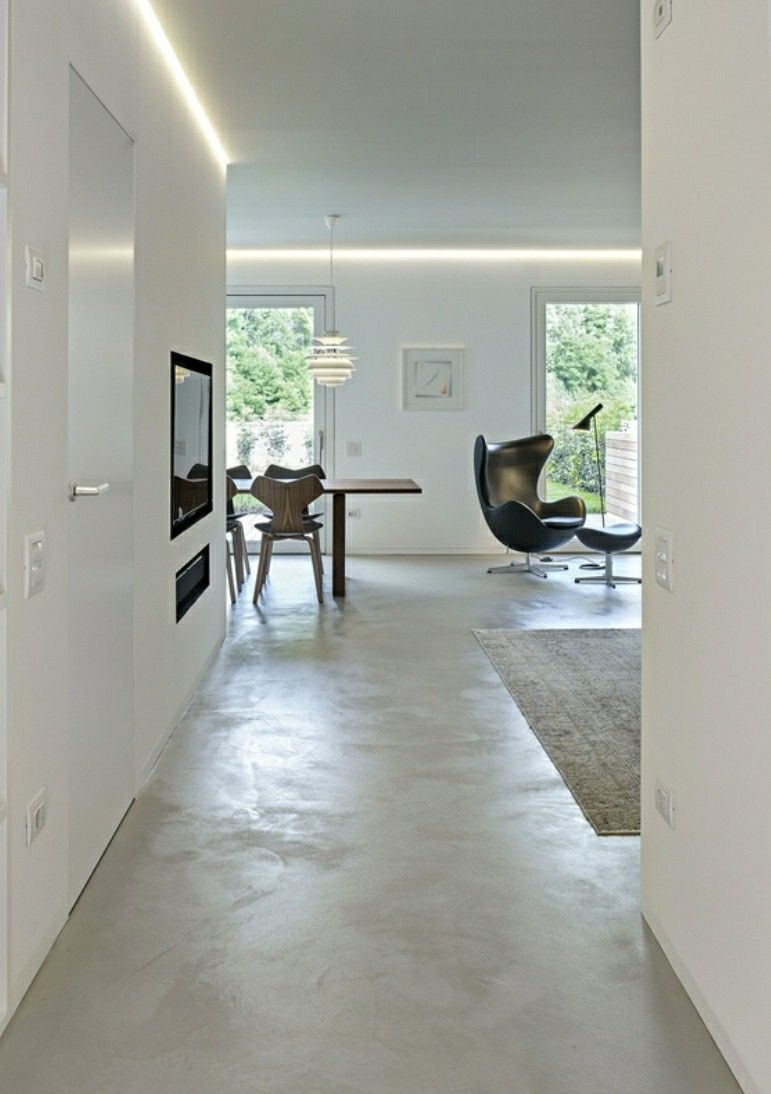
- Living room and hallway — one continuous floor with no thresholds between rooms
- Kitchen — a seamless transition from floor to countertop
- Terrace and balcony — with a suitable outdoor-rated finish
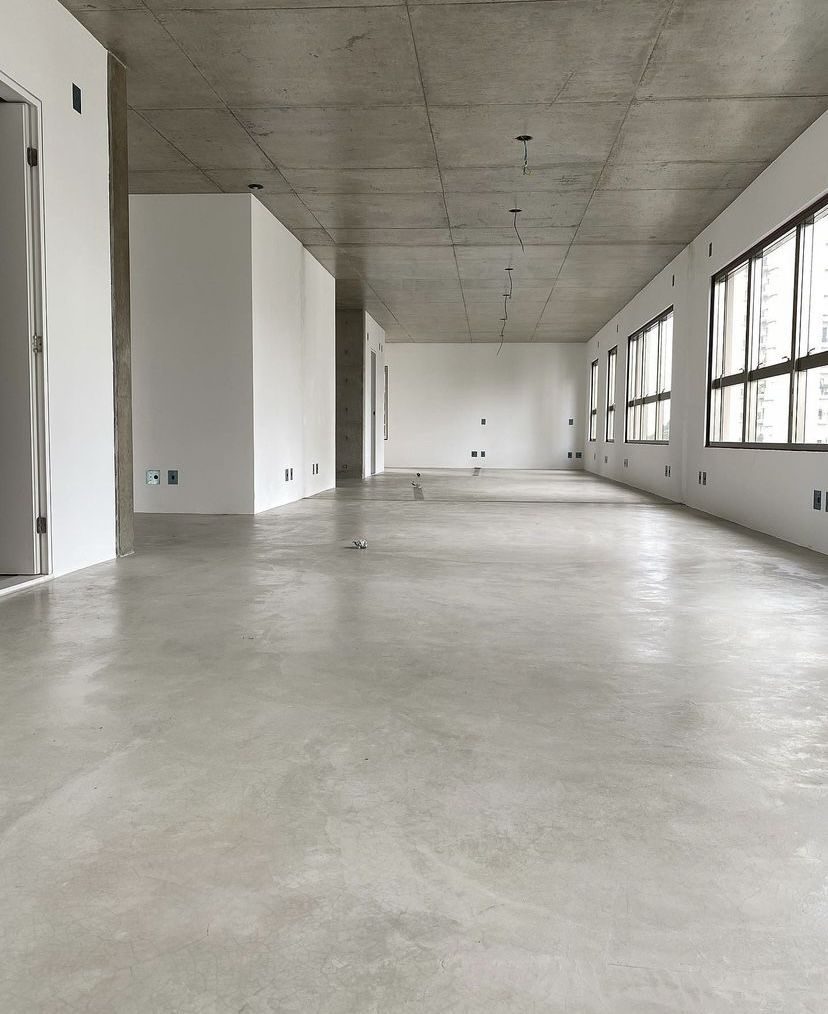
- An entire ground floor of a house — one unified space
Underfloor heating and microcement
Microcement pairs well with underfloor heating systems — it has good thermal conductivity, and heat spreads evenly across the whole surface, unlike tile, which heats unevenly along the grout lines.
What it costs
Microcement flooring starts at ₪650–850 per m², including materials, labor, and the protective finish coat. The exact price depends on the condition of the subfloor and whether extra surface prep is needed.
How long it takes
A floor in a single room (10–20 m²) usually takes 5–8 days: subfloor prep, 2–3 coats of microcement with drying time between each, and a finish coat. Each layer has to fully dry before the next — there's no way to speed this up without losing quality.
Caring for a microcement floor
Daily cleaning with a damp mop and a neutral detergent. Protective pads under furniture and appliance legs are recommended — they protect the finish from scratches when things get moved. The finish coat is best renewed every 3–5 years, especially in high-traffic areas.
Our experience
A floor is probably the most durable and rewarding microcement project we do: it sets the tone for the whole room and lasts for years with the right care. One of the most common questions at the first visit is exactly about applying it over old tile — and for most of our clients, that becomes the deciding factor in choosing microcement.
Want a floor like this in your home?
We'll visit, assess the subfloor and area, and give you an exact quote
💬 Message us on WhatsApp